Cairo Gets Under Your Skin
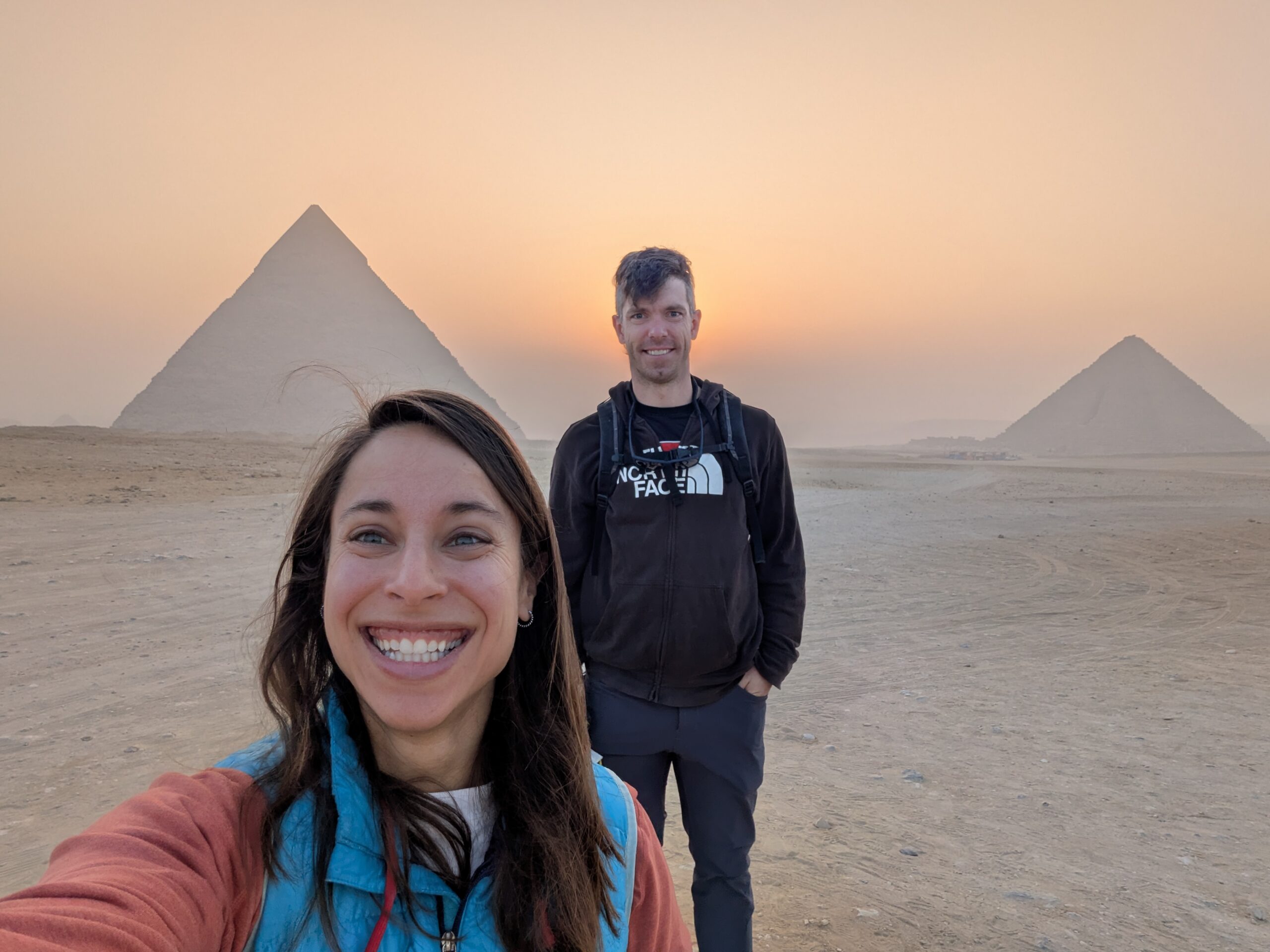
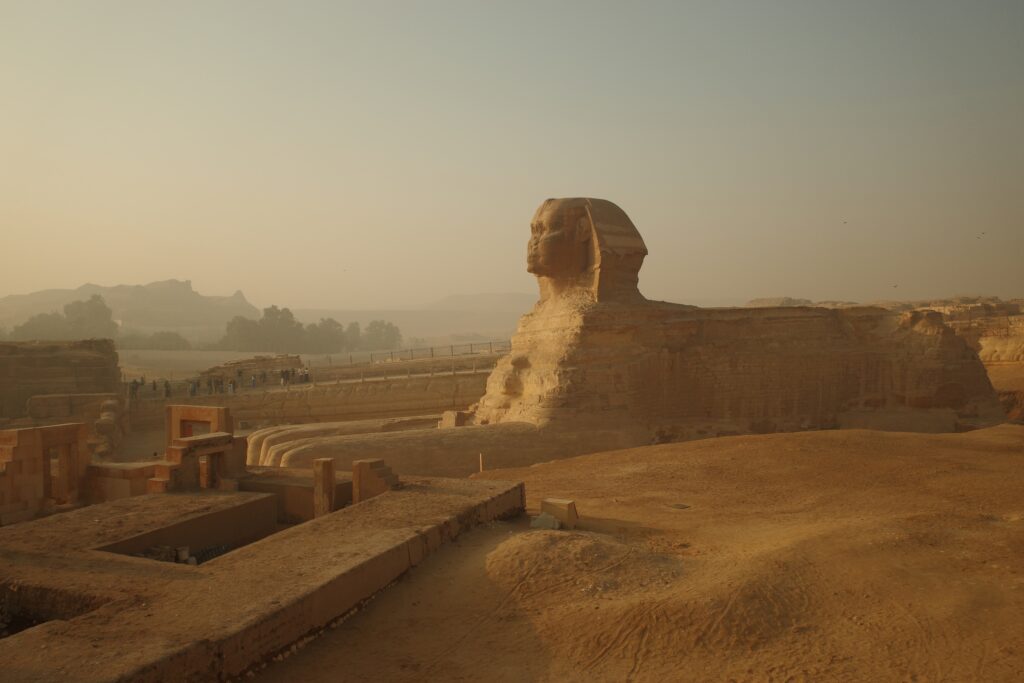
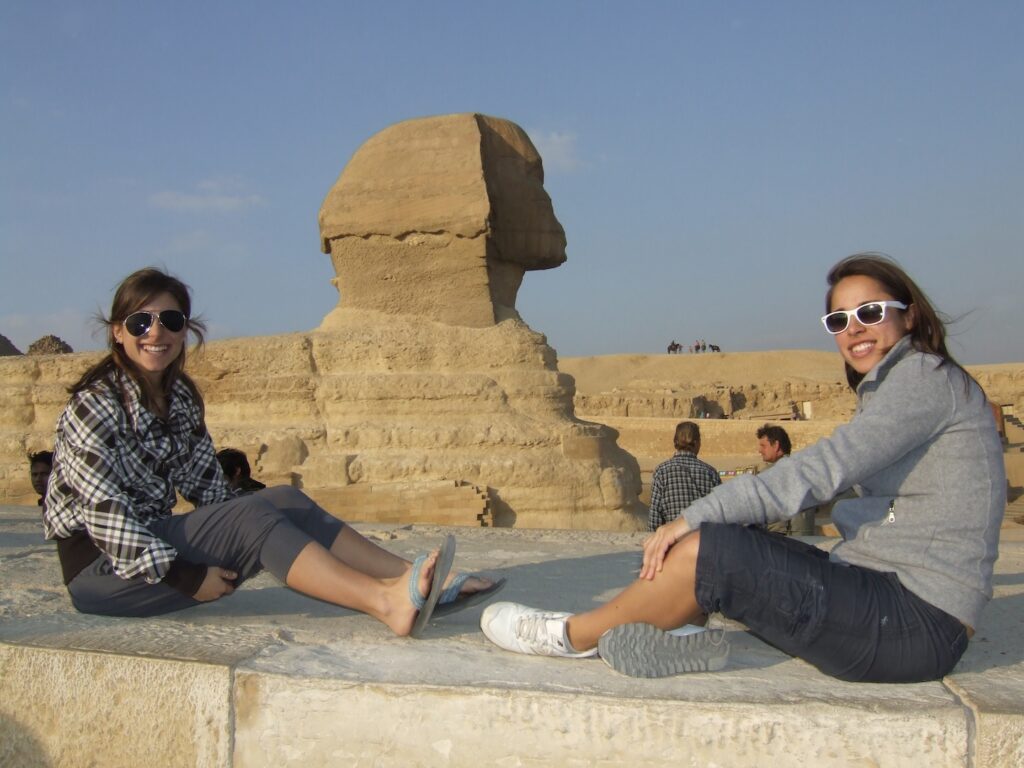
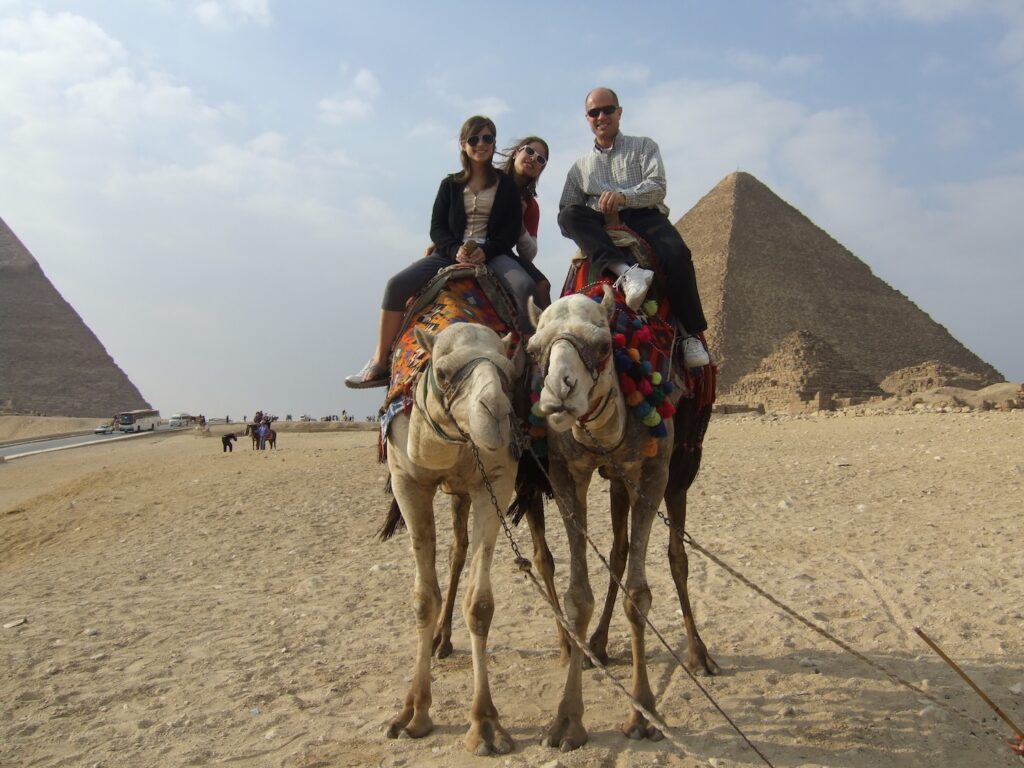
The typical way a tourist experiences Cairo is via guided tours: visit the pyramids and the Grand Egyptian Museum, stroll through the Khan al-Khalili market with a guide at your side. This is how I first traveled there with my family nearly 20 years ago. And it was amazing! So much so, that a few years later, I returned for a study abroad semester and got to know the city on a deeper level. Drawn to the chaotic street life and the warm, light-hearted people, I decided it was my favorite city at the time. Just stepping out the door felt like an adventure.
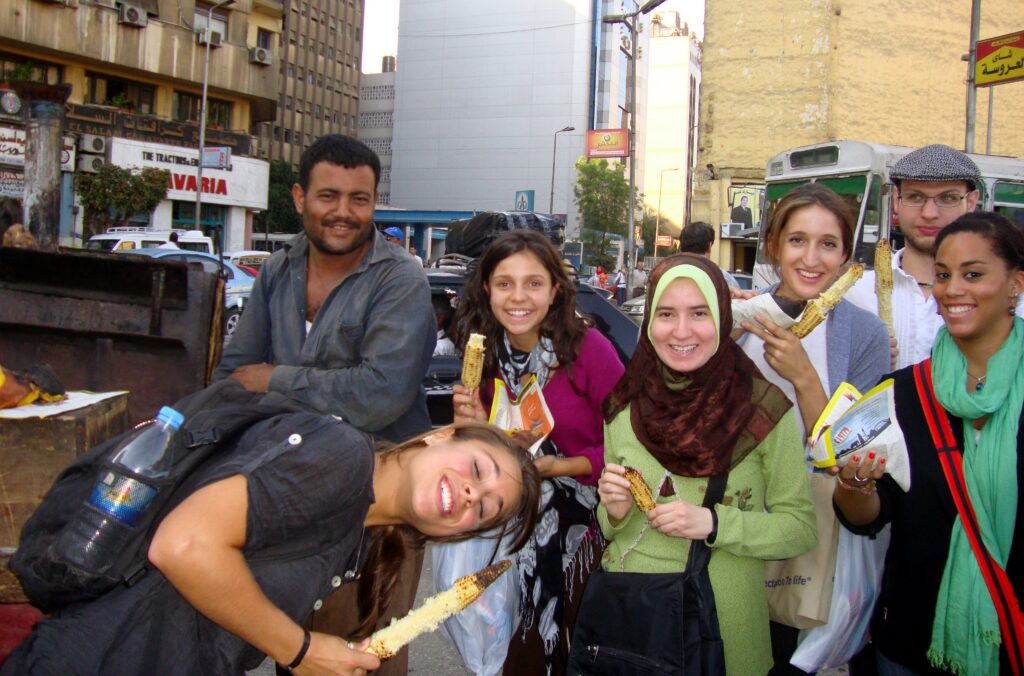
Cairo, Amplified
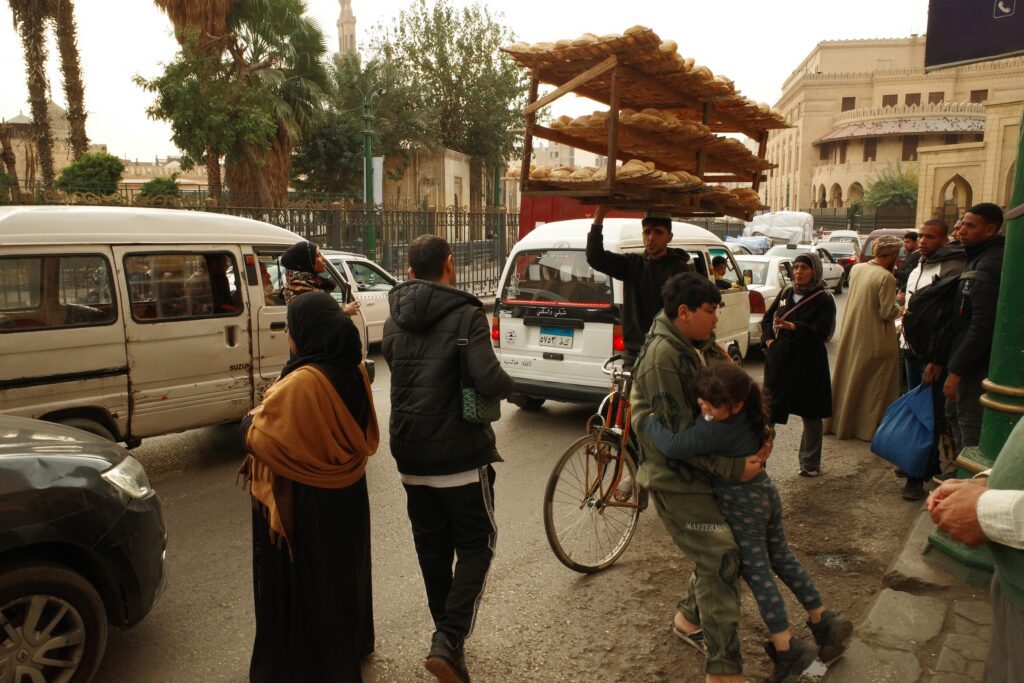
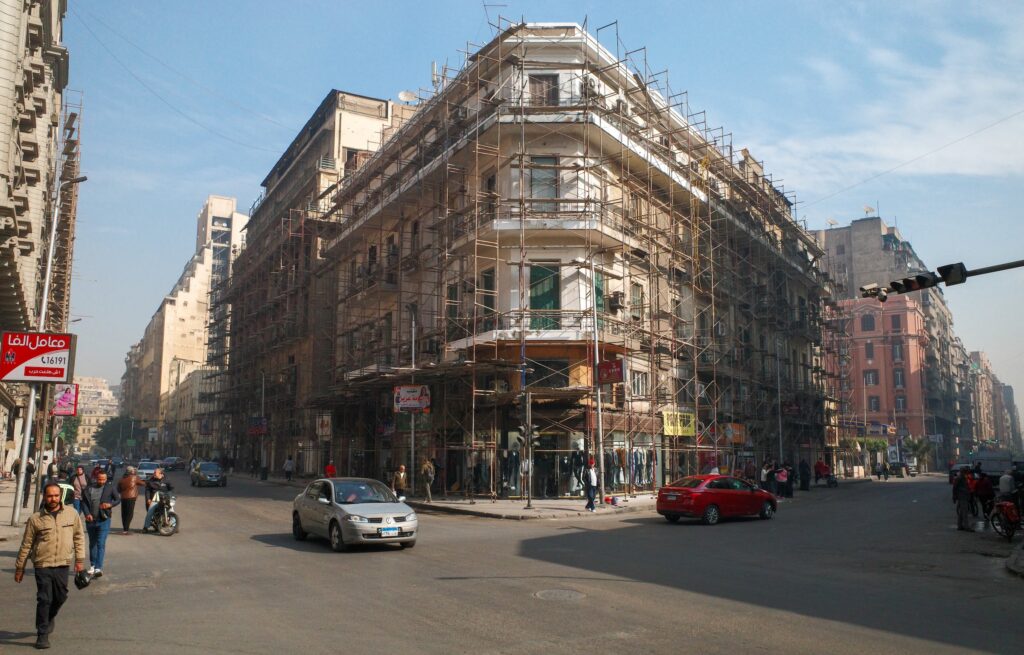
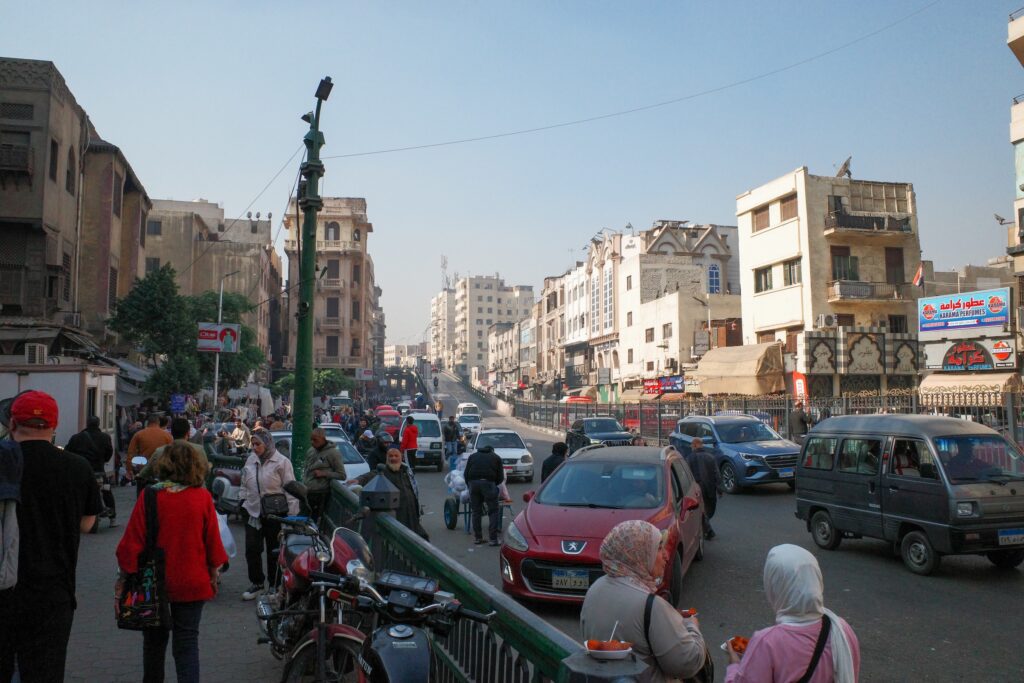
Coming back many years later, Cairo remains much the same - only the dial has been turned up on its intensity. I last left in 2010, just a month before the Arab Spring began and overturned decades of dictatorship. Since then, the population has swelled by several million to around 23 million today. Infrastructure hasn't kept pace, and the city is bursting at the seams. The streets are flooded with people and cars, buildings are crammed so tightly together that passageways feel more like tunnels, and excessive trash blights every corner.
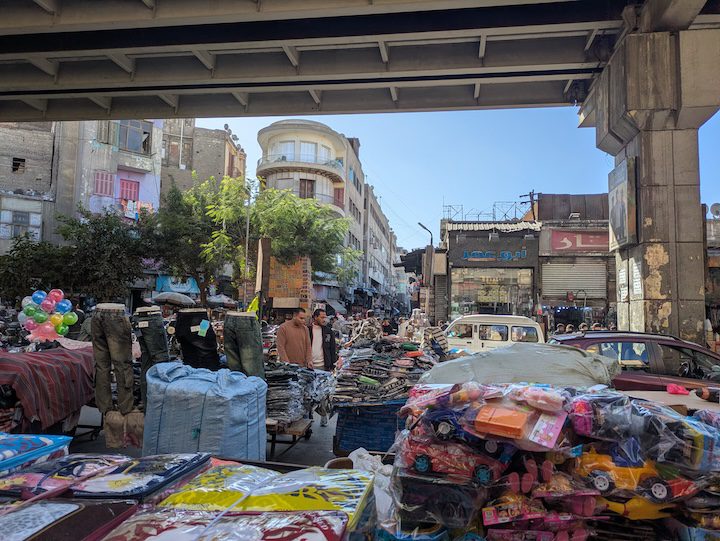
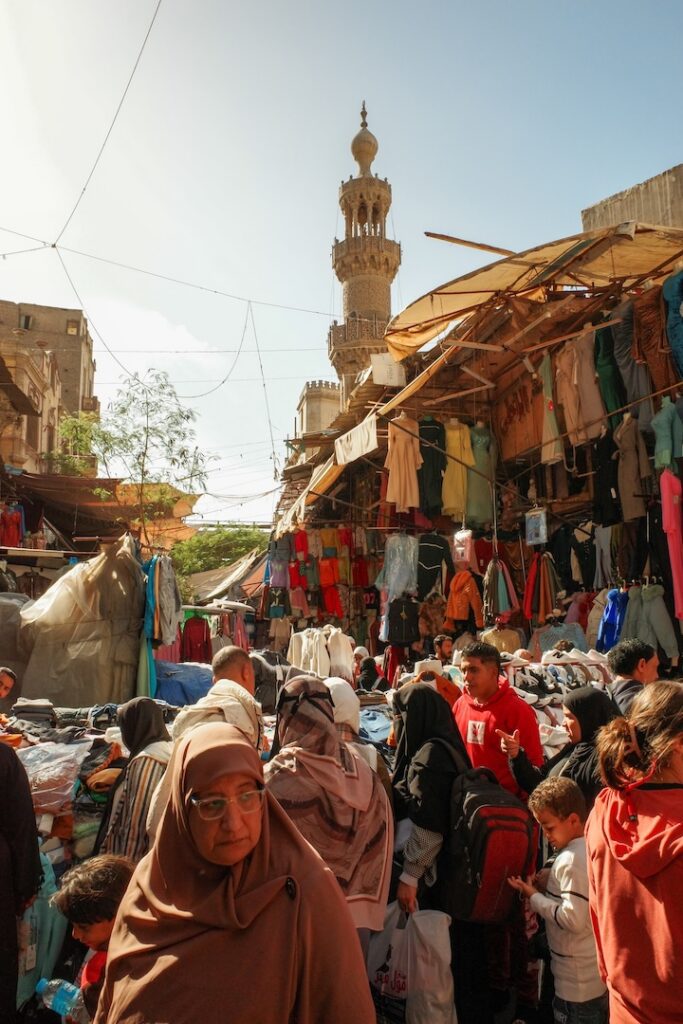
Layers of Time
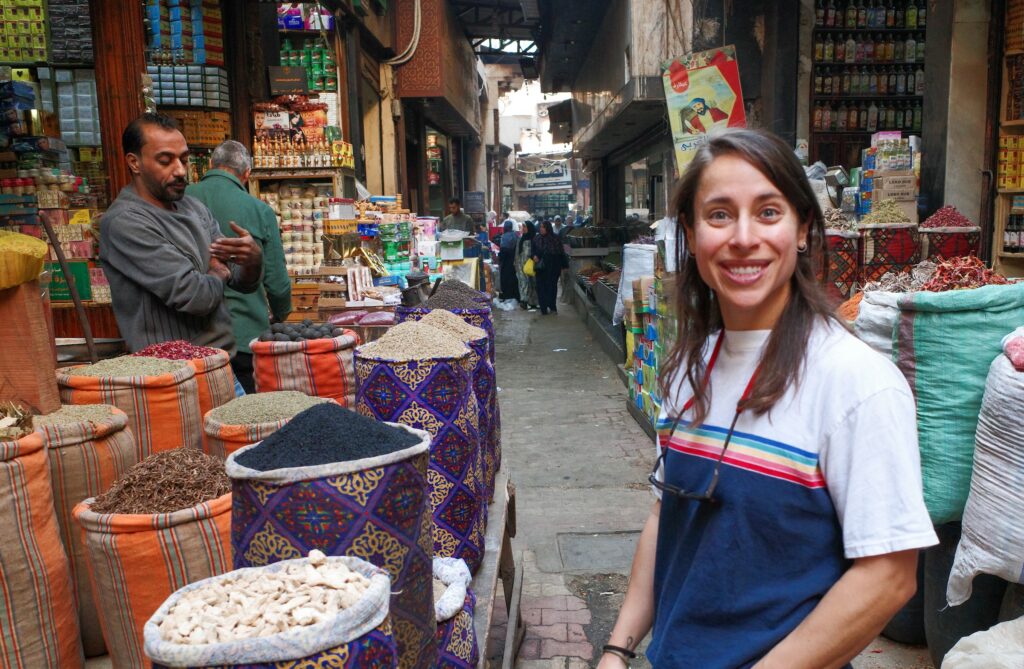
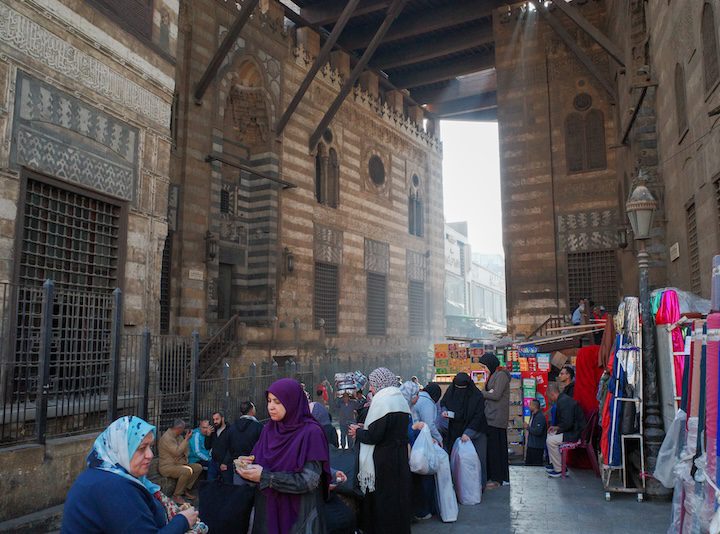
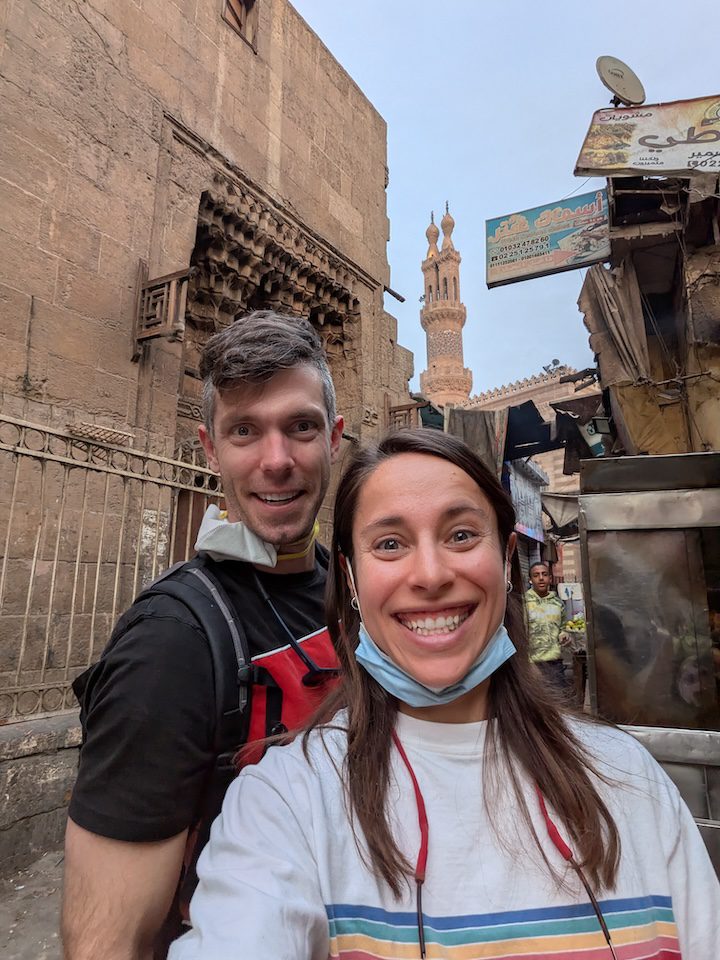
We spent most of our time traversing the city on foot through its various districts, each with a distinct feel. The sprawling markets of Islamic Cairo, well beyond the tourist hub of Khan al-Khalili, are a labyrinth of narrow passages between stores and stalls overflowing with modern consumer goods. If you pause amidst the flow of people to study the buildings that form the maze, you can see vestiges of another era. Beneath centuries of grime and dust, beneath the disrepair and neglect, ornate doorways and windows reveal themselves - crafted with an eye toward detail and artistry. I found myself wondering what this neighborhood would look like if uncovered and preserved.
Pull to Chaos
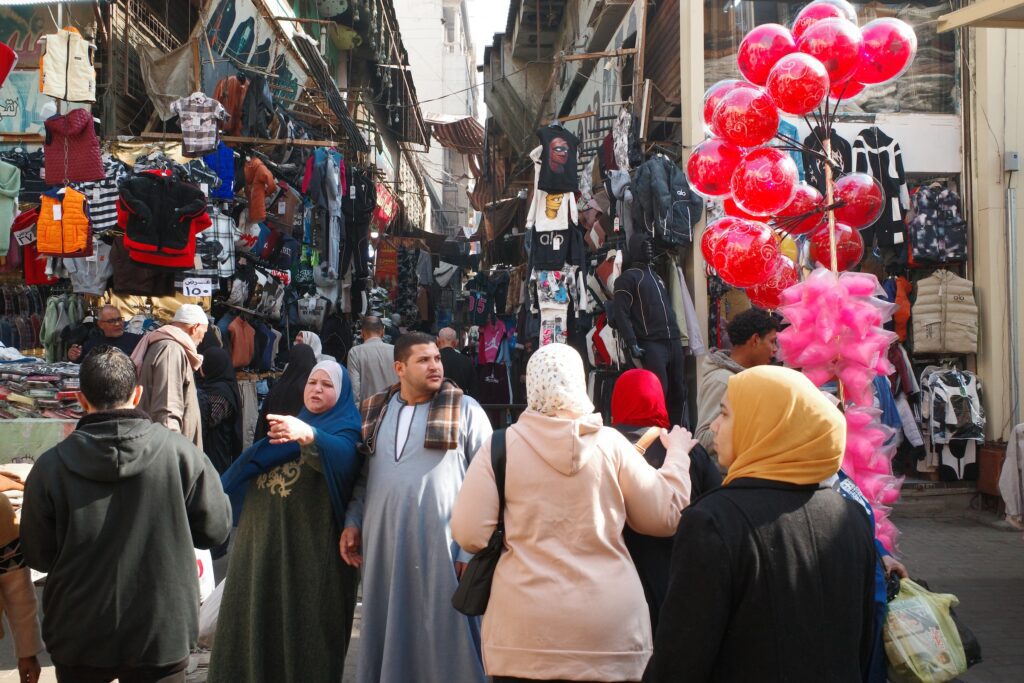
The street life in Cairo is intense. Despite significant emigration driven by limited economic opportunities, most Cairenes remain deeply attached to their city - in part because of this very intensity. It's hard to imagine other cities matching Cairo's vibrancy if you grew up here. As a visitor, it's at once enthralling and overwhelming. There's a saying that "Egypt gets under your skin." The chaos has a magnetic pull that keeps you wanting more. Perhaps it's the relentless barrage on your senses: voices layered over blaring music and honking cars, the call to prayer echoing from mosque loudspeakers, throngs navigating their daily routines, and the smell of street food mingling with exhaust. It's a lot to take in!
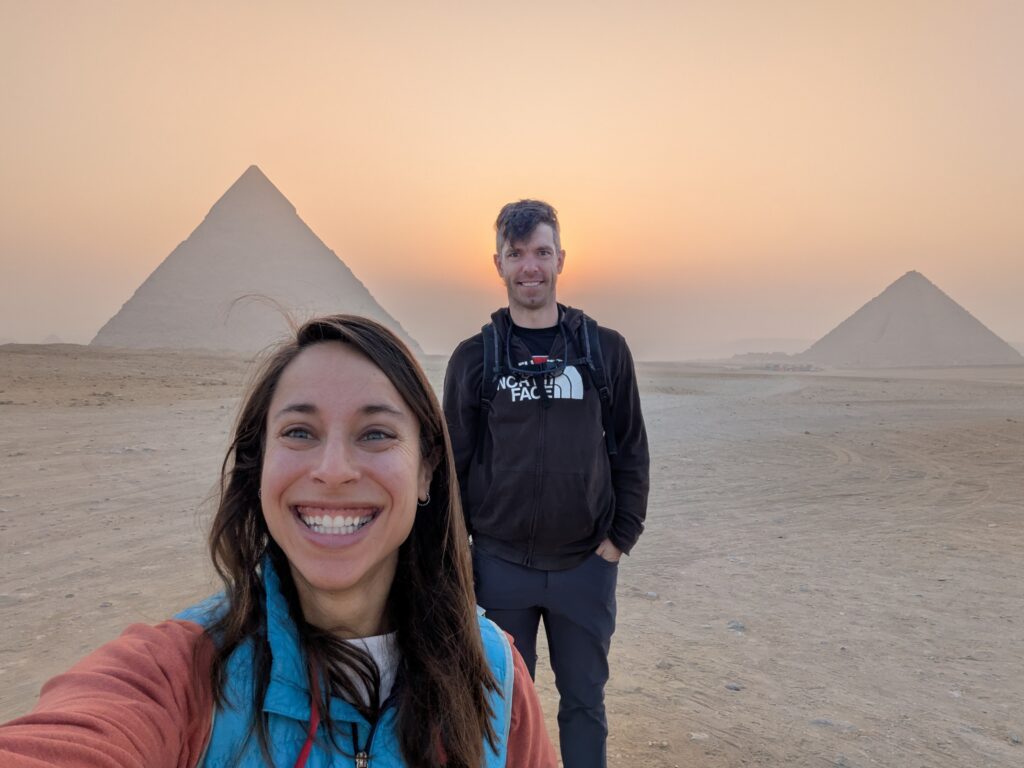
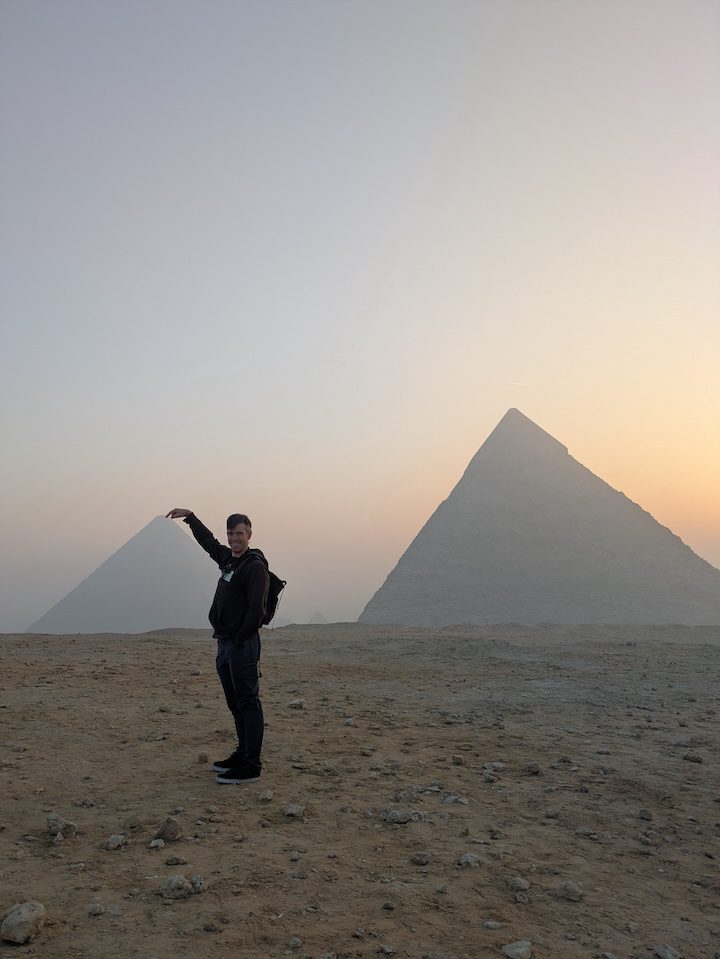
One aspect of Cairo we weren't prepared for was the pollution. The morning we visited the pyramids, the AQI hit 750. Cairo was the most polluted city on the planet at that moment. The world took on an apocalyptic glow, a dark haze obscuring everything beyond a few meters. Thankfully, the following day a breeze arrived. The AQI dropped to 40 and revealed a bright and optimistic Cairo that lifted our spirits.
Dem Khafeef
A strong draw for me to Cairo is the warmth and humor of its people. Strangers greeted us enthusiastically with genuine smiles and openness. Egyptians call this demeanor "dem khafeef" (light blood). The expression describes someone whose presence makes you feel lighter through their good humor and ease. But if you don't speak Arabic, you might miss this entirely. The guttural consonants and tendency for Egyptians to speak at high volumes can sound angry or aggressive to the uninitiated, masking the warmth beneath.
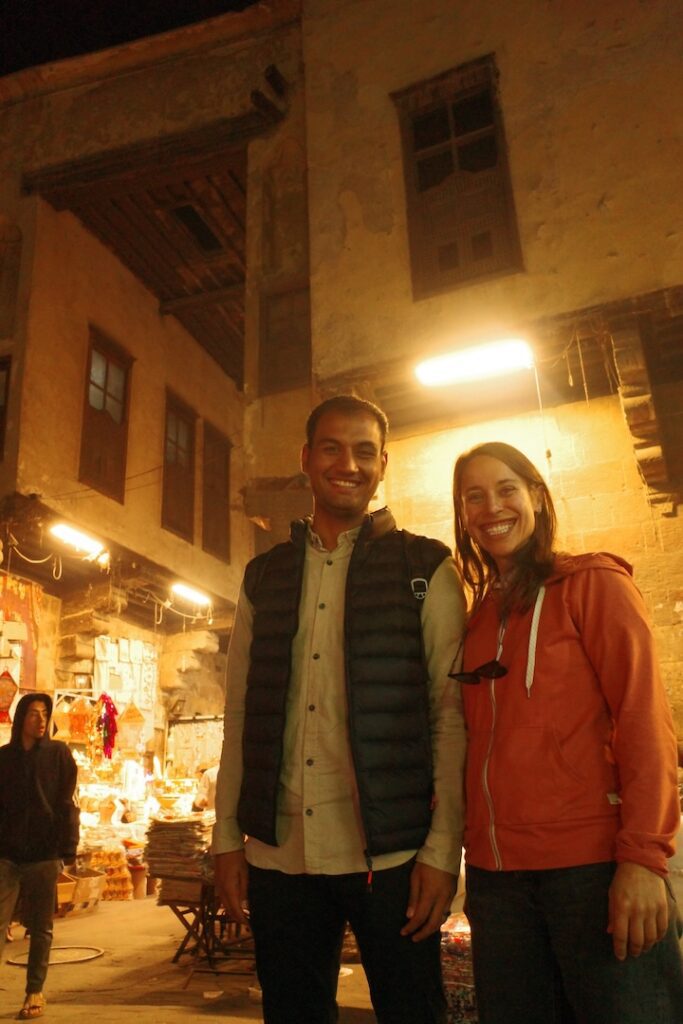

The first few days, Jeff couldn't understand why I'd been so enamored with the city. Honestly, I was questioning my judgment too. But as the week unfolded, we recalibrated - adapting to Cairo's particular energy. By the end, Jeff was pondering aloud what it would be like to spend several months here. Cairo had gotten under our skin after all. I'm not sure when we'll be back, but it wouldn't surprise me to find ourselves here again one day.
Next up: Berlin - the complete opposite of Cairo.
awesome piece, rose. It makes me want to experience it.