Wintry Warsaw
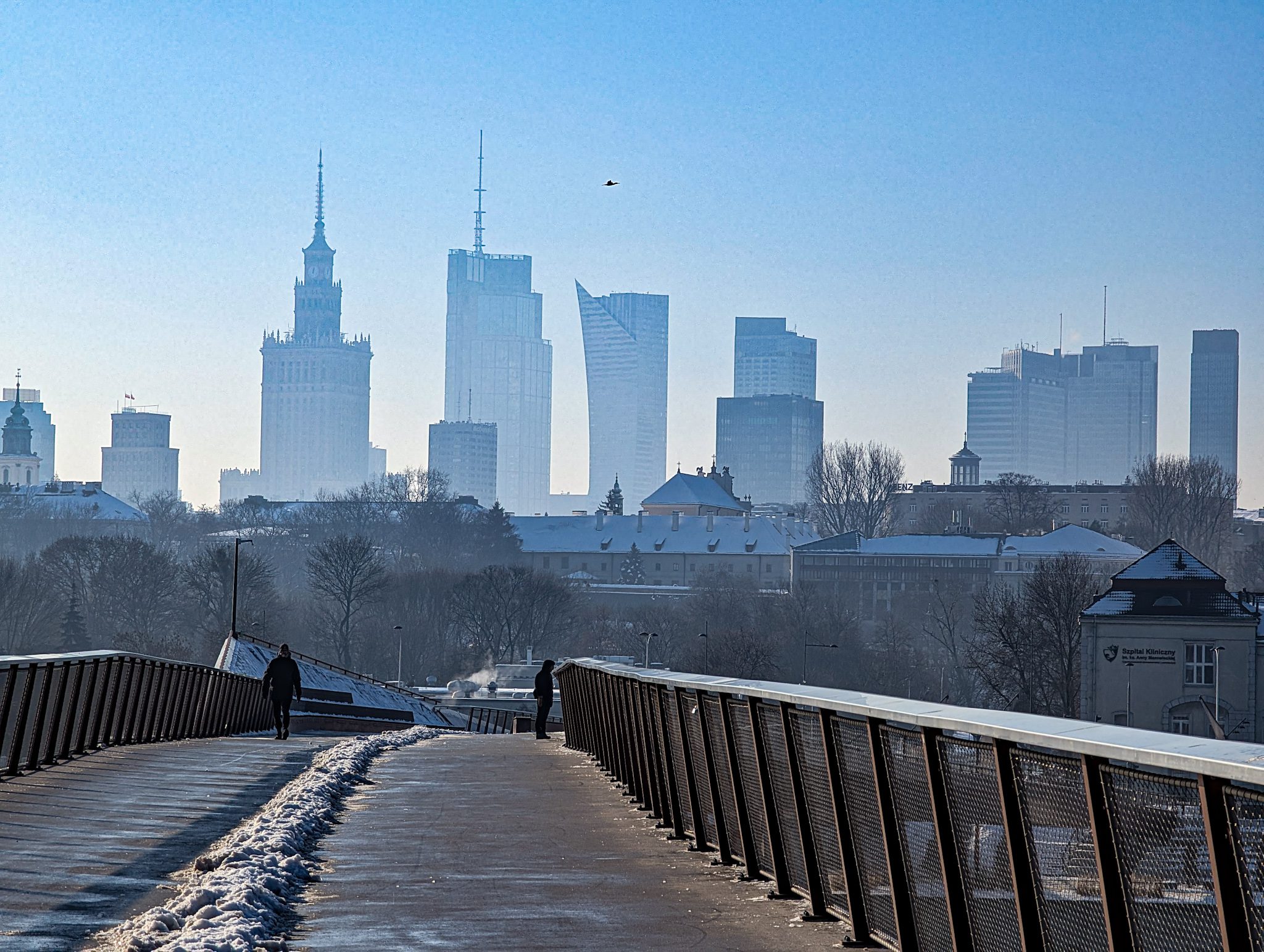
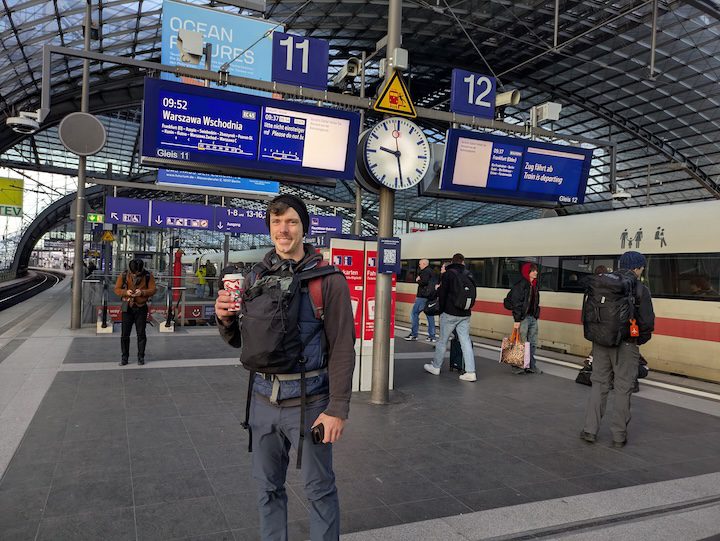
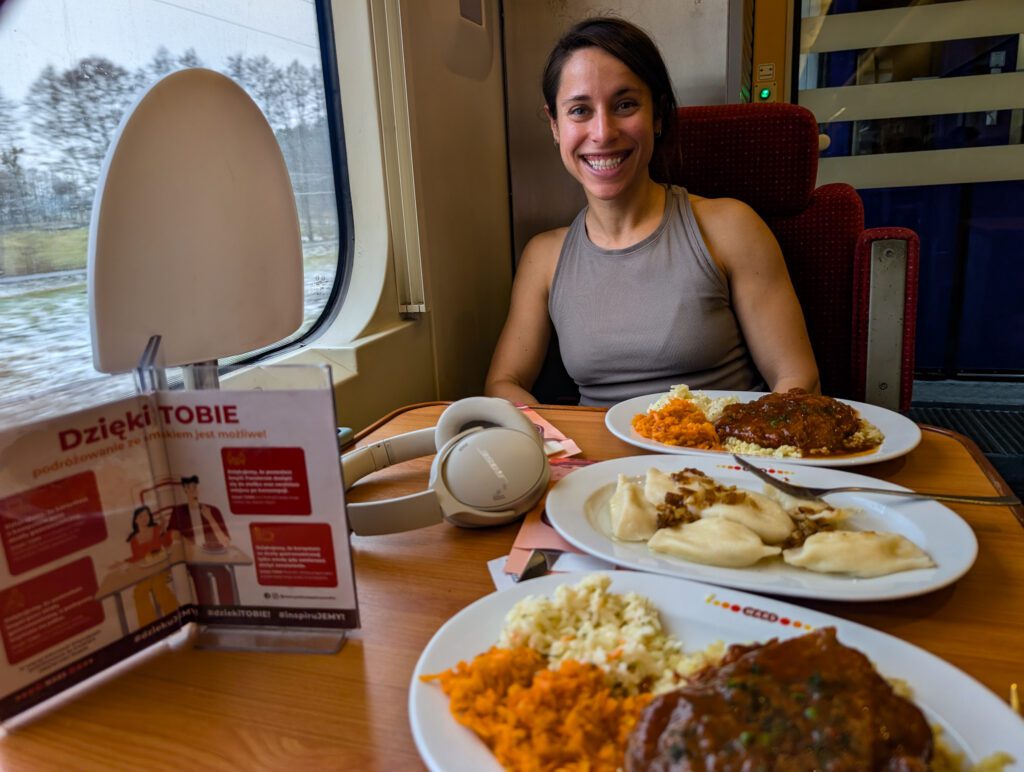
We emerged from the central train station into downtown Warsaw - skyscrapers overhead, bustling streets in every direction. What a better way to enter a city than via an airport! The five-hour journey by train from Berlin was remarkably pleasant too - I worked comfortably, ate a hot meal in the restaurant car, and watched the Polish countryside fly by. One takeaway so far from this extended trip: we'll plan more train travel and limit flights. Train is far superior.
Cold City, Hot Economy
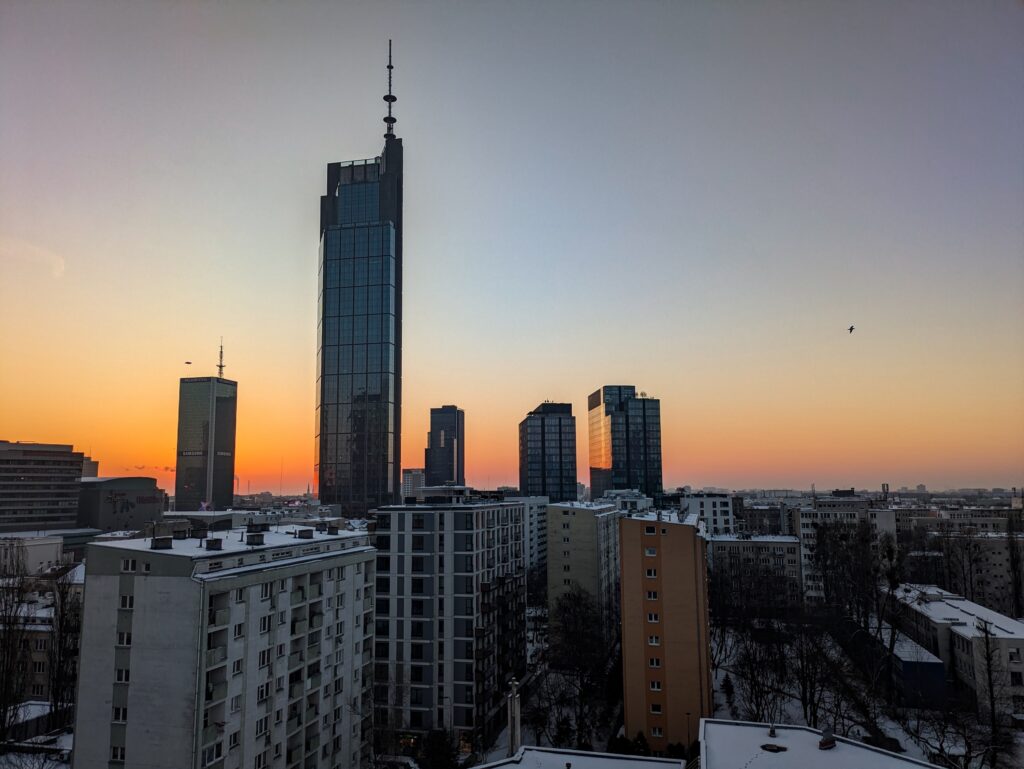
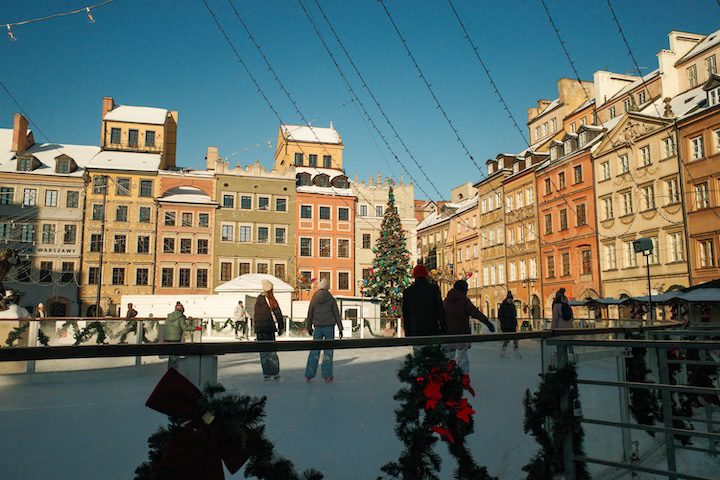
Warsaw was cold and snowy - we wore every layer we'd brought each time we stepped outside. But the city hummed with life. Shops and restaurants were packed, outdoor skating rinks in the central squares filled with skaters. The past decade, Poland's economy has grown by leaps and bounds, even called an "economic miracle." Warsaw has around 1% unemployment. You can feel the energy and optimism. Our walking tour guide said when she travels to western Europe now, the prices don't shock her anymore.
Rising from Ruins
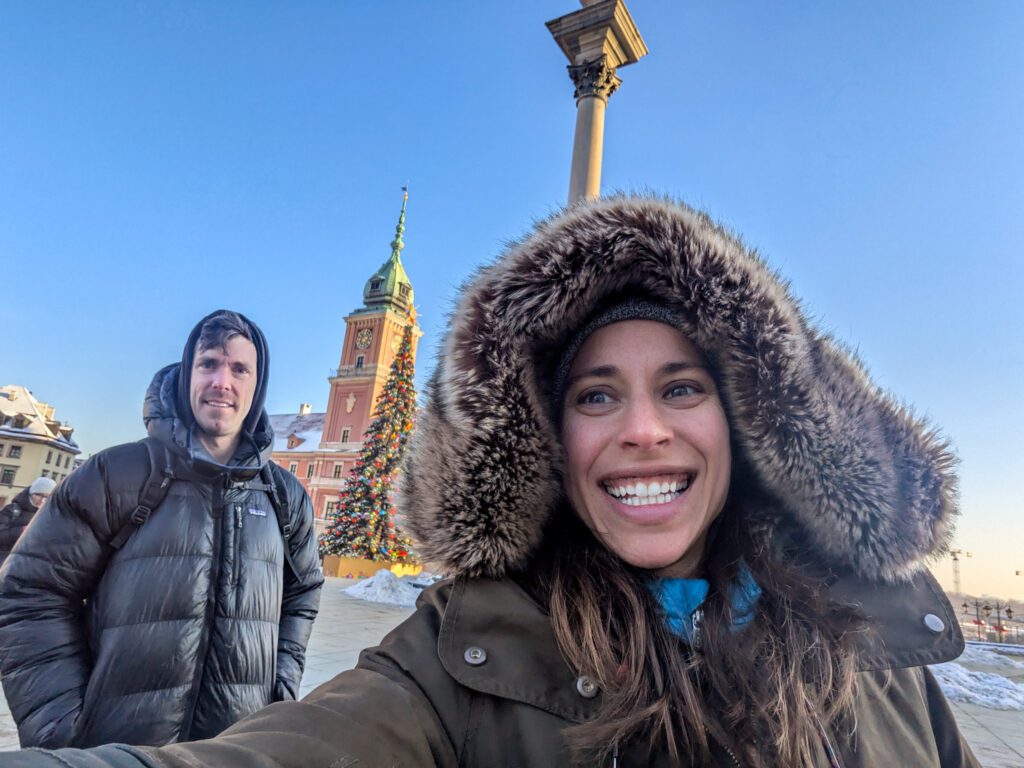
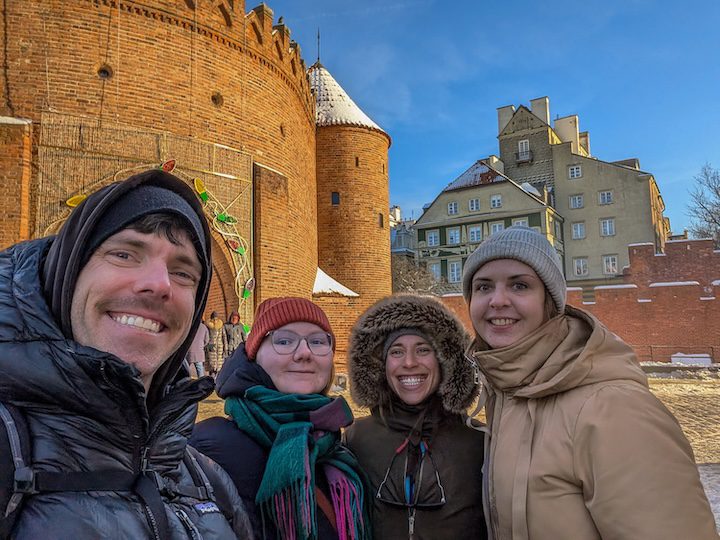
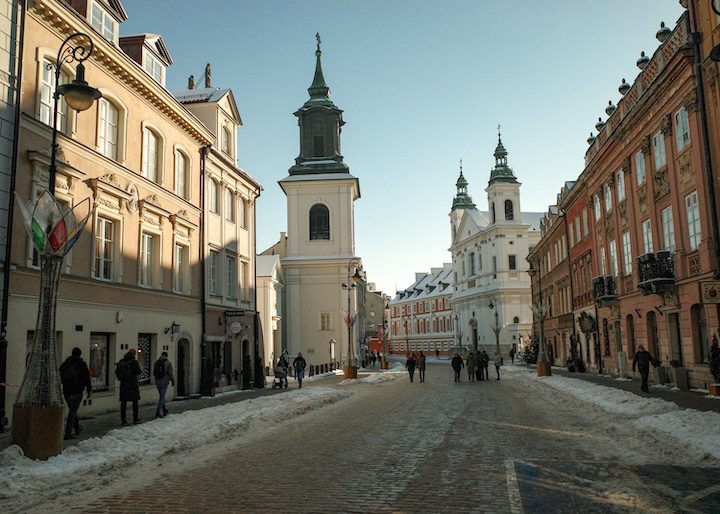
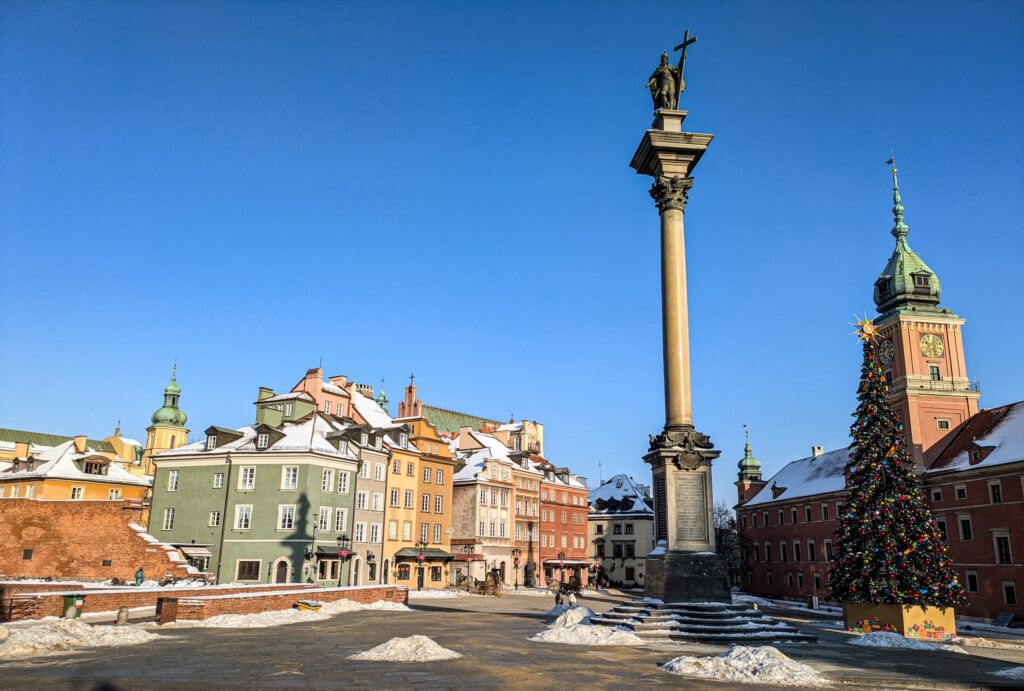
This prosperity is even more remarkable given that the Nazis systematically destroyed 85% of Warsaw in response to the Polish uprising. You can't detect the tragic history unless someone points out the patched bullet holes on reconstructed buildings - left as tribute. The Soviets who governed after the war refused to rebuild anything that harkened back to "bourgeois times." So Poles raised the money themselves to reconstruct landmarks like the palace in the historical district. The reconstruction was so precise that it earned UNESCO World Heritage status. Today we walk through the district as it was before the war.
Drab by Design
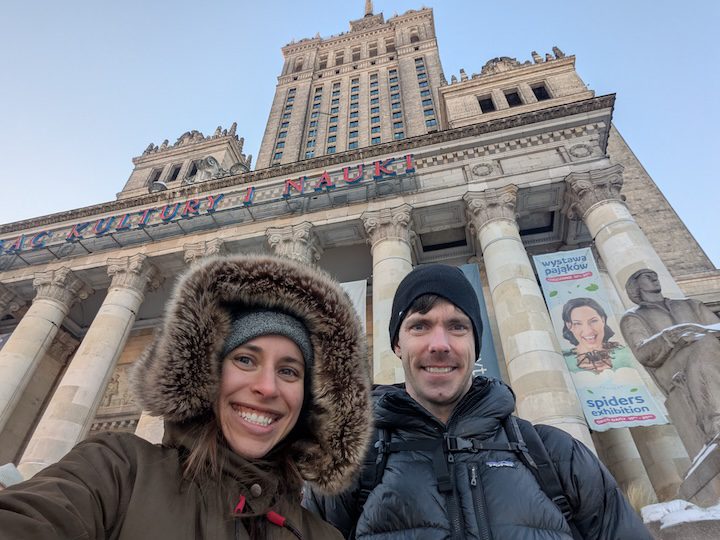
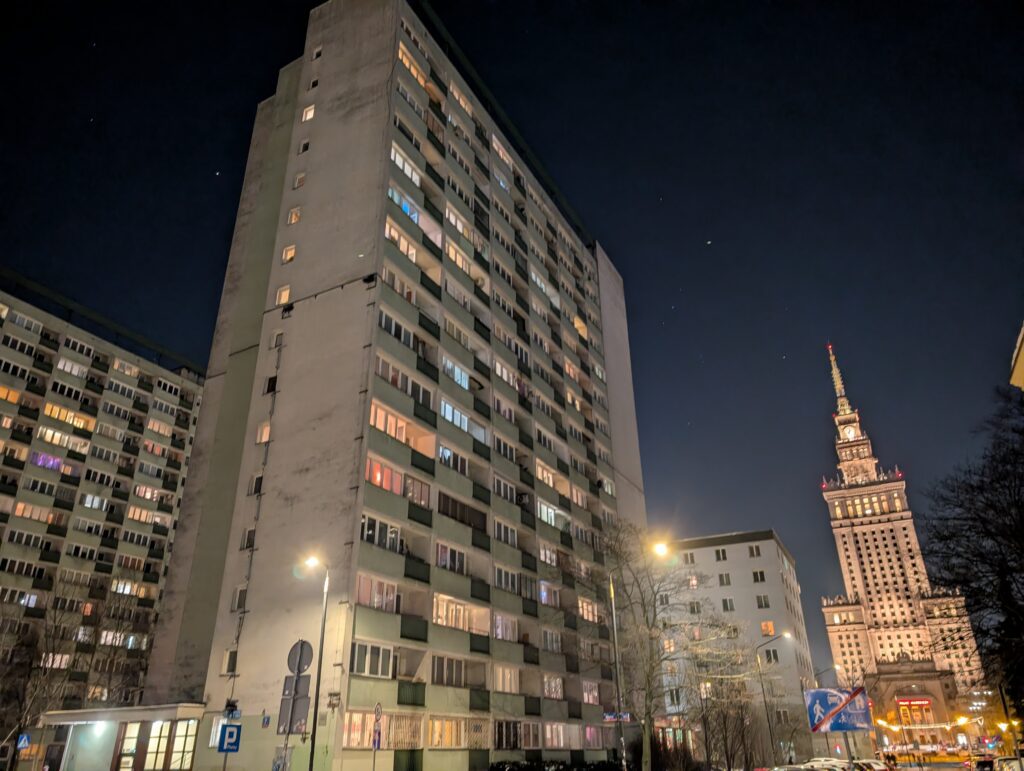
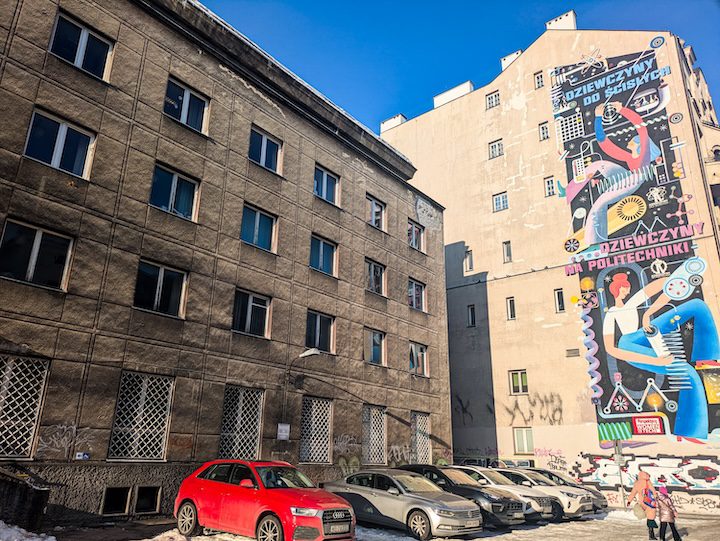
Outside the historical area, the architecture is mostly communist blocks and modern skyscrapers. Among them stands the Palace of Culture and Science, a controversial building - it's an icon of the communist era that Poles would rather forget. We find the communist style intriguing, but our Eastern European friends who live with it feel differently. The drab design depresses them. I can relate when I think of America's ubiquitous strip malls and vast parking lots.
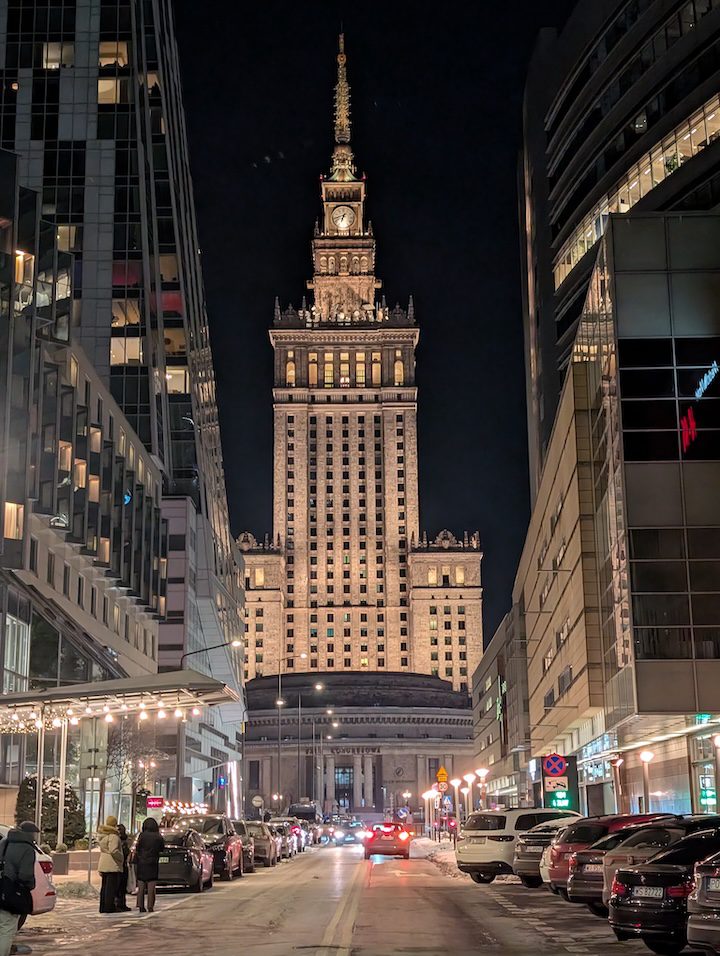
Milk Bar Love
An unexpected highlight was our dedicated patronage of milk bars. First opened in the late 19th century to offer nutritious, affordable food, they became a widespread cultural institution during the communist era. Today they serve hearty Polish food cafeteria-style at discounted prices. We ate at them every day for lunch and became huge fans of Polish food - especially warming in the cold.
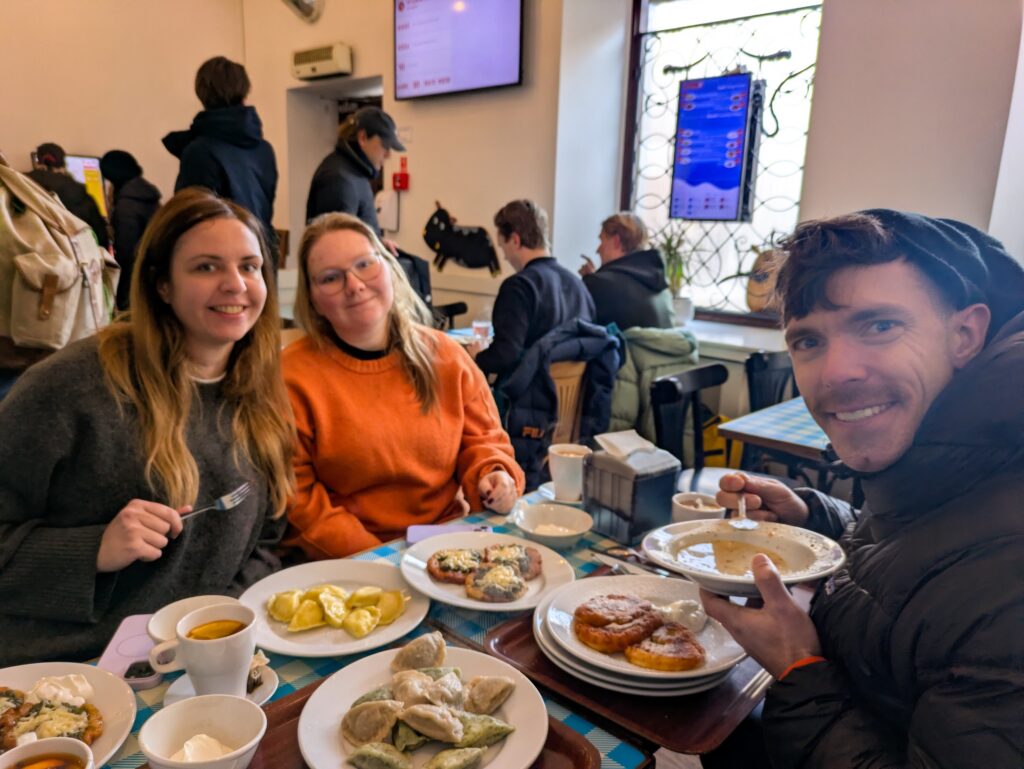
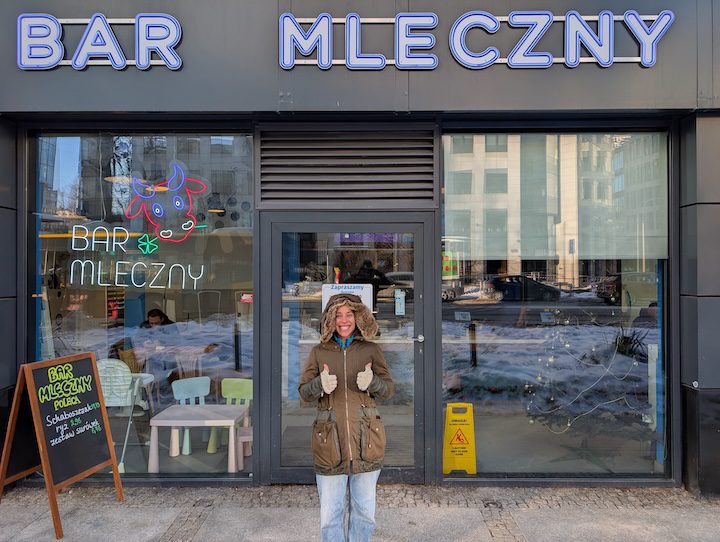
Poland is a deceptively large country with several other charming cities, endless small villages, and the rugged Tatra mountains in the south. We'll be back!
Next up: Moldova. Can you put it on a map?
excellent – great pics; great writing
I love the idea of traveling more by train! Especially in Europe where I’m sure there are trains to everywhere. Loved this update and the milk bars – I was picturing cheese salads and milkshakes galore 🙂